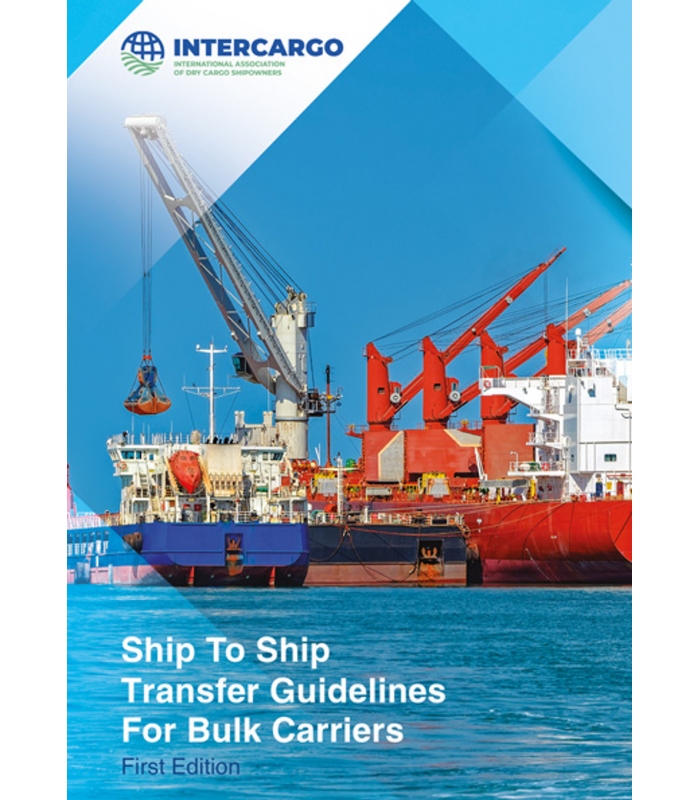
Safe and efficient STS transfers require careful planning, effective communication and strict adherence to safety standards. These Guidelines provide an overview of key safety practices, risk management strategies and operational procedures for STS transfers, highlighting the importance of crew training, proper equipment use and collaboration between involved parties. Adopting these best practices helps operators reduce risks associated with STS operations, protecting crew, assets and the environment.
Glossary
Abbreviations
References
Preamble/Forward
Introduction
Chapter 1 Basic Principles, Conditions & Requirements
1. Basic Principles, Conditions and Requirements
1.1 Introduction
1.2 Type of STS Operations
1.2.1 Ship to Barge/Barge to Ship Operation
1.2.2 Ship to Ship Operation
1.2.3 Ship to Transloader Operation
1.2.4 Ship to Ship Operation via Floating Cranes or Transshipment unit
1.3 Elements in Dry Bulk STS Operations
1.3.1 Coastal Authorities
1.3.2 Transfer Area/Dedicated Anchorages
1.3.3 STS Organizer
1.3.4 Shore Personnel/Stevedores
1.3.5 Crew
1.3.6 Support Ships and Tugs
1.3.7 Cargo {IMSBC Code}
1.3.8 Equipment
1.4 Roles and Responsibilities
1.4.1 Master
1.4.2 STS Organizer
1.4.3 The STS Superintendent/Transhipment Master
1.4.4 The Terminal Representative
1.5 Technical Operator Policies
1.5.1 Technical Operator Procedures
1.5.2 Weather Thresholds and Limitations
1.5.3 STS Plan
1.5.4 Actions and Response Plan
1.5.5 Records and Assessment
Chapter 2 Planning and Preparedness
2. Planning and Preparedness
2.1 General Principles
2.2 Specific STS Plan
2.3 Risk Assessment
2.3.1 Risk Assessment of the Transfer Location
2.3.2 Risk Assessment for the Engaged Ships
2.3.3 Use of Checklists
2.4 General Communications
2.4.1 Procedures for Communication Failure
2.5 Provision of Information Prior to an STS Operation
2.5.1 Information Conveyed from Ships
2.5.2 Information Sent to Ships
2.6 Personal Protective Equipment and Lifesaving Appliances
2.7 Helicopter Operations
2.8 Fenders
2.8.1 Fender Types
2.8.2 Fender Selection Guide
2.8.3 Fender Requirements
2.8.4 Certification and Assessment
2.8.5 Fender Maintenance and Longevity
Chapter 3 Safety, Security and the Environment
3. Safety, Security and the Environment
3.1 General Principles
3.2 Condition of Mooring Equipment
3.3 Safety during Cargo Transfer
3.3.1 Crane Operations
3.3.2 Hatch Cover Operations
3.3.3 Vessel Shifting During Cargo Operations
3.4 Cargo Type Hazards
3.5 Safe Watchkeeping
3.6 Personnel Transfer
3.6.1 Use of Pilot Ladders
3.6.2 Use of Special Gangways/Extendable Access Ladders
3.6.3 Personnel Transfer
3.7 Security
3.7.1 Unauthorised Craft
3.7.2 Boarding of Unauthorised Persons
3.8 Action in Case of Infringement of Safety
Chapter 4 Manoeuvring, Mooring and Unmooring
4. Manoeuvring, Mooring and Unmooring
4.1 General Principles
4.2 Manoeuvring
4.2.1 Control of Operations
4.2.2 General Advice for Controlling the Two Ships
4.2.3 Advice for Manoeuvring Alongside
4.2.4 Manoeuvring with One Ship Alongside Barge
4.2.5 Use of Tugs
4.3 Mooring Operations
4.3.1 General Advice for Mooring Operations
4.3.2 Preparations for Mooring
4.3.3 Mooring Considerations
4.3.4 Anchor Holding and Considerations
4.3.5 Mooring Analysis/Plans
4.4 Unmooring
4.4.1 Preparation for Unmooring
4.4.2 Unmooring while at Anchor
4.4.3 Unmooring Using Quick Release Arrangements
Chapter 5 Operations Alongside
5. Operations Alongside
5.1 General Principles
5.2 Preparations for Cargo Transfer
5.2.1 Dust Suppression System
5.2.2 Familiarization/Training/Toolbox Meeting for Stevedores
5.2.3 Lifting Appliances and Cargo Gear
5.2.4 Ballast Operations
5.2.5 Cargo Operations and Weather Limitations
5.2.6 Crane/Conveyor Operations
5.2.7 Loading/Stowage Plan
5.3 Operations after Completion of Cargo Transfer
5.3.1 Procedures after Termination of Crane Operations
Chapter 6 Emergencies
6. Emergencies
6.1 General Principles
6.2 Contingency Planning and Emergency Response Procedures
6.3 Emergency Communications
6.4 Emergency Situations
6.4.1 Emergencies During Manoeuvring/Mooring/Unmooring
6.4.2 Emergencies During Cargo Transfer
6.5 State of Readiness for an Emergency
6.6 Cessation of Transfer Operations as a Precautionary Measure
Chapter 7 Appendices & Checklists
7. Appendix 1 – Checklists
Checklist #1 – Ship Details for Compatibility Assessment
Checklist #2 – Before Commencing STS Operation
Checklist #3 – Prior to Mooring Operations
Checklist #4 – Prior to Cargo Transfer Operations
Checklist #5 – Prior to Unmooring
Checklist #6 – Due Diligence for Appointed STS Service Provider (Optional)